
what is a semiconductor? Understanding Its Role and Economic Sustainability Challenges
Semiconductors play a significant role in modern society, as components of semiconductors,Semiconductor chips are applied in numerous electronic applications. During the whole production cycle, environmental pollution is inevitable.[ 1 ]A consideration worries about environmental management, like waste deposit products, contaminated water and air are increasing. Over the past ten years, these have become the priority of many countries. Common types of waste that raise concern include heavy metals, fuels used in aviation and military vehicles, solvents and degreasing agents, as well as chemical byproducts generated during weapons production. The cost of dealing with them would be a huge number, around $30 billion. [2] Therefore, how to maintain economic sustainability is very harsh.
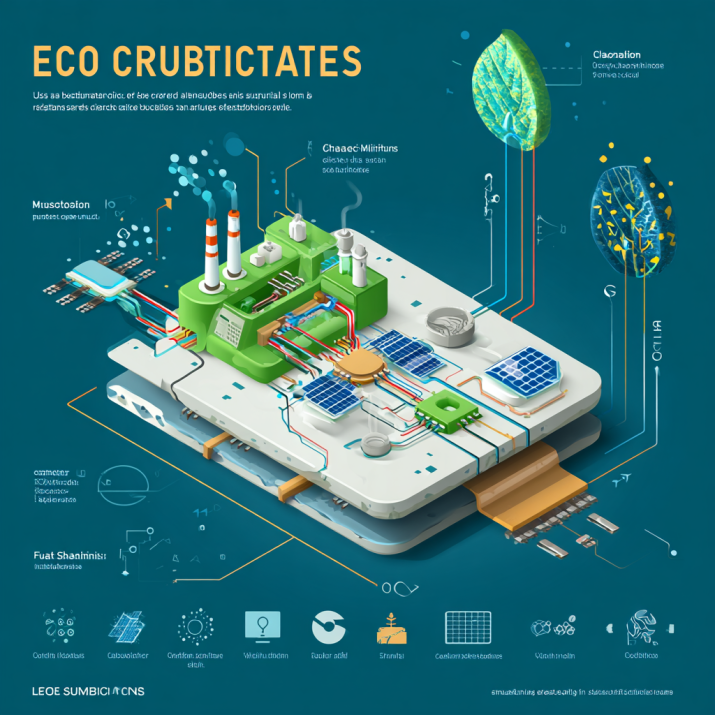
Eco-Friendly Ceramic Substrates and Environmental Impact
Environmental Considerations in Microelectronics
So designers should deliberate on limited, decrease the impact on the environment [3]. The major issue is shortage of water since heavy pollution. The second problem is the emission of acid. Hence, in these cases, customers forbid certain alloys from being recycled. Both caused size and package. To establish a state of the art of knowledge at a sectoral level of interactions of the micro electronic components and the environment.
Compliance with RoHS Standards
Eco-friendly ceramic substrates meet the standard of RoHS and are highly cost-effective. According to RoHS (Restriction of Hazardous Substances) limits the use of toxic materials like lead, mercury, and cadmium in circuit board components. Currently, the mainstream of using ceramic substrates is alumina ceramic and aluminum ceramic. These two types of materials provide high thermal conductivity, causing the most efficient insulation.
Common Ceramic Substrate Materials
96% alumina substrate and 99.6% aluminum nitride are common substrates. 99.6% alumina oxide thermal conductivity can reach up to 30W/mk. Aln has a high thermal conductivity of up to 321 W/(m · K). A 10% improvement in thermal efficiency can extend chip lifespan by over 50% [4].
The longer product life cycle means a longer low frequency of replacement, leading to lower consumption of materials; therefore, the cost and time are saved in the whole procedure.
Microchip Lifecycle and Environmental Impact
Microchips, based on silicon substrates with complex nano- and micro-scale surfaces, require packaging for protection and interconnection on circuit boards. During operation, they are largely environmentally benign aside from energy consumption.
However, at the end-of-life stage, discarded chips can release hazardous substances (e.g., lead from soldering) that contaminate soil, water, and air. Lifecycle studies categorize environmental impacts and guide safer design and recycling practices.

Eletronic Power Module
Like igbt and SiC MOSFET module, the oxide insulating layer and conductive polysilicon gate became the chip surface. When voltage via the conductive element, it forms a wall to restrict and reduce the size of cell per unit area. In addition, A gate drive voltage of 10V is sufficient to keep the IGBT fully saturated, thereby minimizing conduction losses [5].
Energy Saving For EV Modules
More efficiency and energy saving for these semiconductors. In this process, carbon dioxide emissions will be largely avoided. Typically, IGBT and SiC MOSFETs are welded onto alumina oxide ceramic. Then, ceramic substrates are soldered on the plating part. This supports better thermal conductivity and thermal insulation [6].
Thermoelectric cooling system

Thermoelectric Coolers and Modular Cooling Solutions
The thermoelectric coolers convert electrical input into a thermal gradient, enabling efficient solid-state cooling technology.
Advantages in Power and Energy Efficiency
Thermoelectric material with excellent electrical properties and low ability to transfer heat. This material enables to offer additional energy to devices, especially in power supply suspension. Modularity is the ability to build or change something by using small, interchangeable parts.
Environmental Benefits
Because of modularity, noise is not a problem when processing. In certain areas that emphasize the environment, introducing thermal management of electronics to replace traditional cooling would be better [7].
Medical devices
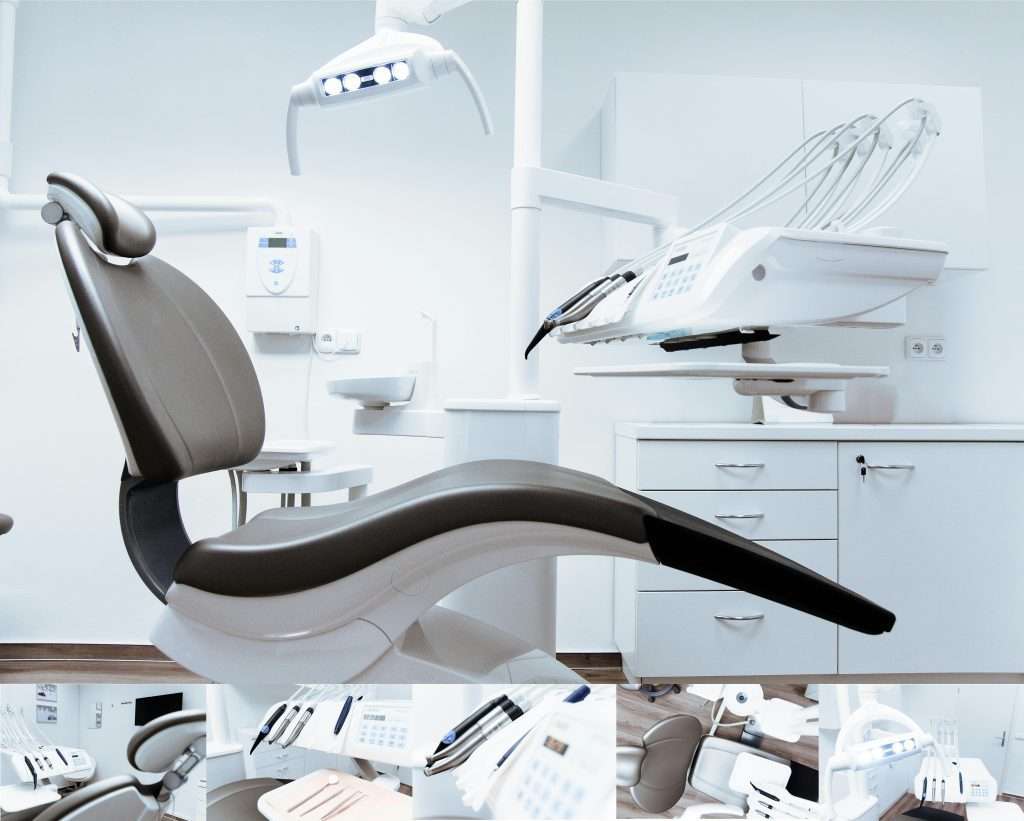
Applications in Imaging Systems
In medical devices due to their high thermal conductivity, electrical insulation, and biocompatibility. They are widely used in imaging systems (CT, X-ray, ultrasound) for temperature control and signal integrity, and in laser-based equipment for reliable power control.
Use in Laser-Based Equipment
In implantable devices like pacemakers and neurostimulators, ceramics offer long-term durability and safe packaging. They’re also ideal for lab diagnostics (PCR, analyzers) where thermal control and chemical resistance are crucial. Materials like aluminum nitride and alumina are commonly used, ensuring performance in compact, high-reliability medical applications

Environmental Considerations
In terms of the aerospace industry, the primary actions to alleviate pollution are weight reduction and increased resistance to temperature.
Applications in Aerospace Systems
By using new material and new structural. Several Aln alloys and ceramic materials have been applied for heat conductors. Advanced aluminum alloys can support more than 450℃ [8]. In thermal barrier coating(TBC), thermal Protection System (TPS), and dielectric barrier discharge (DBD) reflect its value.
Solar inverter/Photovoltaic inverter

A PV inverter is a crucial component that converts DC power (Direct current) generated by solar panels into alternating current (AC power). One of its essential features is an integrated thermal management system, which includes heat sinks and fans to ensure proper cooling and airflow.
These components help heat dissipation produced during the DC to AC conversion process, thereby preventing overheating and improving the inverter’s efficiency and longevity.
conclusion
By continuing to adopt renewable energy technologies such as PV inverters, global carbon emissions are expected to be significantly reduced by 2050 [9].
Semiconductors are essential to our digital lives, however, energy efficiency can’t be ignored. Regular using innovations in materials science, making energy efficiency, and green design to reduce the impact of environment.
contact us


Shyla Everly
About Me
A technical content writer specializing in ceramic substrates, thermal management, and power electronics packaging. focusing on DBC and AMB substrate technologies, LED packaging, and advanced materials used in high-power and high-reliability electronic applications.